Source: Hong Kong Government special administrative region
Following is a question by the Hon Edmund Wong and a written reply by the Secretary for Financial Services and the Treasury, Mr Christopher Hui, in the Legislative Council today (April 16):
Question:
Under the Inland Revenue Ordinance (Cap. 112), an individual who is either ordinarily resident in Hong Kong or a temporary resident may elect for personal assessment on the individual’s income, thereby becoming eligible for the basic personal allowance and other related tax concessions (personal tax concessions). However, there are views that such tax policy has rendered certain elderly people who have moved to reside in the Mainland for retirement and rely solely on rental income from letting properties in Hong Kong for their livelihood not being eligible for personal tax concessions. This, to a certain extent, deviates from the Government’s policy direction of encouraging elderly people to retire in the Mainland. In this connection, will the Government inform this Council:
(1) whether, in the past three years, the Inland Revenue Department has received enquiries or requests for assistance from retired elderly people who have moved to reside in the Mainland and rely solely on rental income from letting properties in Hong Kong for their livelihood due to their ineligibility for personal tax concessions; if so, of the number of such cases, as well as the highest and average amounts of tax involved in such cases;
(2) whether the authorities will consider introducing property tax relief measures for elderly people who have no income other than rental income from letting properties in Hong Kong and have moved to reside in the Mainland; and
(3) whether the authorities will comprehensively review the tax and cash welfare policies for the elderly and, on the premise of preventing abuse, allow those elderly people who choose to retire in the Mainland to enjoy essentially the same tax and cash welfare policies as those retiring in Hong Kong, so as to prevent tax policies from deviating from the policy direction of encouraging elderly people to retire in the Mainland, and to help promote retirement in the Mainland among elderly people; if so, of the details; if not, the reasons for that?
Reply:
President,
Hong Kong has all along adopted a territorial source principle in the collection of profits tax, salaries tax, and property tax. At the same time, the Inland Revenue Ordinance provides for several allowances, deduction items and reliefs. Different eligibility criteria have been established for them, including territorial restriction for taxpayers, to meet their policy intents and to address the risk of abuse during implementation.
Personal assessment is a tax relief arrangement under the Inland Revenue Ordinance. It allows proprietors or partners who operate a business to earn profits, as well as property owners who rent out properties to earn rental income to claim the deductions under salaries tax and calculate their tax amount at the progressive rates of salaries tax, thereby reducing their tax liability. One of the conditions for electing personal assessment is that the individual must be either “ordinarily resident in Hong Kong” or a “temporary resident”. If an individual is “ordinarily resident in Hong Kong”, it means that he/she resides in Hong Kong voluntarily and for a settled purpose (such as for education, business, employment or family etc.) with sufficient degree of continuity. A “temporary resident” means an individual who stays in Hong Kong for a period or a number of periods amounting to more than 180 days during the year of assessment for which the election is made, or for a period or periods amounting to more than 300 days in two consecutive years of assessment, one of which is the year of assessment for which the election is made.
Having consulted the Labour and Welfare Bureau, the replies to the questions raised by the Hon Edmund Wong are as follows:
(1) The Inland Revenue Department handles a large number of inquiries from taxpayers regarding tax assessments, deductions, allowances, etc. through various channels such as telephone, email, mail, and counter services every year. They do not keep records by the types of inquiries.
(2) and (3) The inclusion of the condition of being “ordinarily resident in Hong Kong” or a “temporary resident” under personal assessment is in line with Hong Kong’s territorial source principle of taxation. If such condition is relaxed to cover elderly persons who have relocated to the Mainland and have no income other than the rental income from Hong Kong properties, it would be difficult for the Inland Revenue Department to verify the information on their residence and income in the Mainland, and thus to ascertain their eligibility. It could easily lead to abuse of the relief measure. For the same reason, the Government has no plan to introduce property tax relief for these elderly persons.
The Government has put in place portable arrangements for all cash assistance schemes targeting Hong Kong elderly persons. The arrangements facilitate Hong Kong elderly persons’ retirement in Guangdong and Fujian Provinces. The relevant arrangements cover the Old Age Allowance for Hong Kong elderly persons aged 70 or above; the Old Age Living Allowance for Hong Kong elderly persons aged 65 or above in need of financial assistance; and the Portable Comprehensive Social Security Assistance Scheme which provides cash assistance to Hong Kong elderly persons who cannot support themselves financially.
To recognize professionals delivering excellence in National Highway development, the sixth edition of ‘National Highways Excellence Awards 2023’ (NHEA 2023) were held at Bharat Mandapam in New Delhi. Hon’ble Minister for Road Transport and Highways, Shri Nitin Gadkari along with Shri Harsh Malhotra, Hon’ble Minister of State and Dr V.K. Saraswat, Member, NITI Aayog; senior officials from MoRTH, NHAI and other stakeholders were present on the occasion.
NHEA 2023 commemorated various officials and concessionaire/contractors for their innovation and exceptional performance. Out of total 125 nominations, 22 entries were shortlisted by the jury through multiple assessment rounds and five awards for outstanding projects were awarded in different categories. In the ‘Excellence in Project Management (PPP) category, the winner H.G. Infra Engineering Ltd was conferred with the Silver Award for the project Ateli Mandi to Narnaul section of NH-11 & Narnaul Bypass as an economic corridor in Haryana. Under the ‘Excellence in Project Management (EPC)’ category, Bhartia Infra Projects was awarded the Silver Award for Hakanjuri to Khonsa section of NH-315A in Arunachal Pradesh. The ‘Excellence in Operation & Maintenance (Flexible)’ category had Nanguneri Kanyakumari Tollway Pvt Ltd being bestowed with the Gold Award for Madurai to Kanyakumari of NH-7 Package 4 in Tamil Nadu. In the Green Highways category, Ashoka Buildcon Ltd won the Gold award for Kandi to Ramsanpalle section of NH-161 in Telangana and Deccan Tollways Ltd won the Silver Award for Maharashtra-Karnataka border to Sangareddy section of NH-65 in Karnataka and Andhra Pradesh.
The Best Engineer Award was conferred to Shri Navratan, DGM & PD, NHAI, Shri Devender Kumar, GM, NHIDCL and Shri Subhash Chandra, RO Itanagar, MoRTH. Special recognition was given to Uralungal Labour Contract Co-operative Society (ULCCS) for its unwavering commitment to quality, transparency and social responsibility.
During the day long event, winners of the पथ चिंतन Hackathon were also felicitated for their innovative ideas and tech-driven solutions that will contribute in transforming India’s National Highway infrastructure.
Encouraging adoption of innovative practices in National Highway development, Hon’ble Minister for Road Transport and Highways, Shri Nitin Gadkari in his keynote address said, “Our goal is to raise the bar for quality, ownership & decision-making in road construction. With collective responsibility, we can create global benchmarks & achieve higher daily construction targets.”
Addressing the audience, Hon’ble Minister of State for MoRTH & Corporate Affairs, Shri Harsh Malhotra said “Our highways are just not concrete roads, they are the roads of progress for our country. The Ministry of Road Transport and Highways is going to play a very important role in the vision of Viksit Bharat in 2047.”
In his address Shri V. Umashankar, Secretary, MoRTH said “As we advance rapidly in National Highway development, we are equally prioritizing quality construction. The quality of highways we give right now is the legacy we will be leaving behind for the next generation. Highway construction is not just a technical endeavor, but a collective effort of vision, innovation, and pride. Our goal is to set new benchmarks in engineering excellence and embracing new technologies for highway development, that will contribute towards our shared commitment towards nation-building.”
In his address NHAI Chairman Shri Santosh Kumar Yadav highlighted the importance of enhancing collaboration between different stakeholders to achieve excellence in National highway development. He also underlined the collective impact of regular capacity-building of all stakeholders to create a world class National Highway network.
Focused panel discussions with senior officials, academicians from various IITs, representatives of research institutes and industry experts were also held on various aspects of highway development which included deliberations on ‘New technologies in Highway Construction and Use of Technology in Quality Control’, ‘Highway Development in Hilly Areas’, ‘Rating of DPR Consultants/AEs and Road Construction Agencies’ and ‘Emergence of Indian Construction Companies as Global Players’.
Institutionalized in 2018, National Highway Excellence Awards aims to incentivize and encourage key stakeholders and to create a spirit of healthy competition amongst all the stakeholders involved in the development of National Highway infrastructure in the country.
Union Minister of Communications, Shri Jyotiraditya Scindia, met with the Chief General Managers (CGMs) of Bharat Sanchar Nigam Limited (BSNL) circles today at Sanchar Bhawan, New Delhi, along with CMD BSNL and the board of directors of BSNL, as part of a comprehensive review and strategic alignment of BSNL’s ongoing transformation journey. Secretary Telecom and other senior officers of DoT also graced the occasion.
The meeting involved wide-ranging discussions focused on growth strategy, improvement in network performance, customer service delivery, and organizational modernization. It also reinforced BSNL’s positioning as a consumer-centric telecom service provider with a clear mandate of “Revenue First” targets across all business units.
As a government-owned CPSE, BSNL is undergoing a major service transformation and has declared April 2025 as “Customer Service Month” across all circles, business areas, and units. This initiative reflects BSNL’s renewed focus on “Customer First” culture, emphasizing proactive customer engagement, service responsiveness, and grievance redressal.
During the two-day CGM meet, Circle Heads are being briefed and aligned on re-engaging customers across rural, urban, enterprise, and retail segments. Special focus areas included:
Reconnecting with customers across rural, urban, enterprise, and retail segments
Enhancing Quality of Service (QoS) in mobile networks and FTTH
Addressing customer grievances in billing, provisioning, and uptime
Driving accountability and revenue-first targets at every operational level
Enterprise connectivity, VPN solutions, leased line services, other new business areas.
The Hon’ble Minister appreciated BSNL’s efforts and stressed the importance of measurable outcomes in customer experience and revenue generation.
BSNL has recently launched several new initiatives to enhance service offerings and customer value:
4G expansion and rollout in multiple circles
Introduction of IFTV and BiTV platforms for next-gen infotainment
BSNL National Wi-Fi Roaming
Tailored BSNL VPN and bundled packages for enterprise and government users
CNPN Projects for High-reliability connectivity for mission-critical national infrastructure.
Spam! Free Network for the First of its kind–BSNL’s solution for eliminating scam and spam communications in real-time
Direct-to-Device Service.
With a focus on execution, BSNL is driving a renewed push towards becoming a digitally empowered, service-oriented, and financially sustainable telecom operator, committed to connecting and empowering Bharat.
Source: Hong Kong Government special administrative region
Applications invited for flag days in 2026-27 The completed application form together with the required documents should reach the department at the above address by 6pm on May 15. Late applications will not be considered.Issued at HKT 10:00
KEYNOTE ADDRESS by the Prime Minister Hon. Fiame Naomi Mata’afa [Thursday 3rd April 2025]
Reverend Puletua Tapumanaia,
Members of Cabinet,
Representatives of our Development Partners,
Chairpersons and members of Executive Boards of Government Public Bodies, and of Agriculture in Samoa,
Heads of Government Agencies, Private Sector and Exporters, Partners of the Samoa Export Authority,
Ladies and Gentlemen.
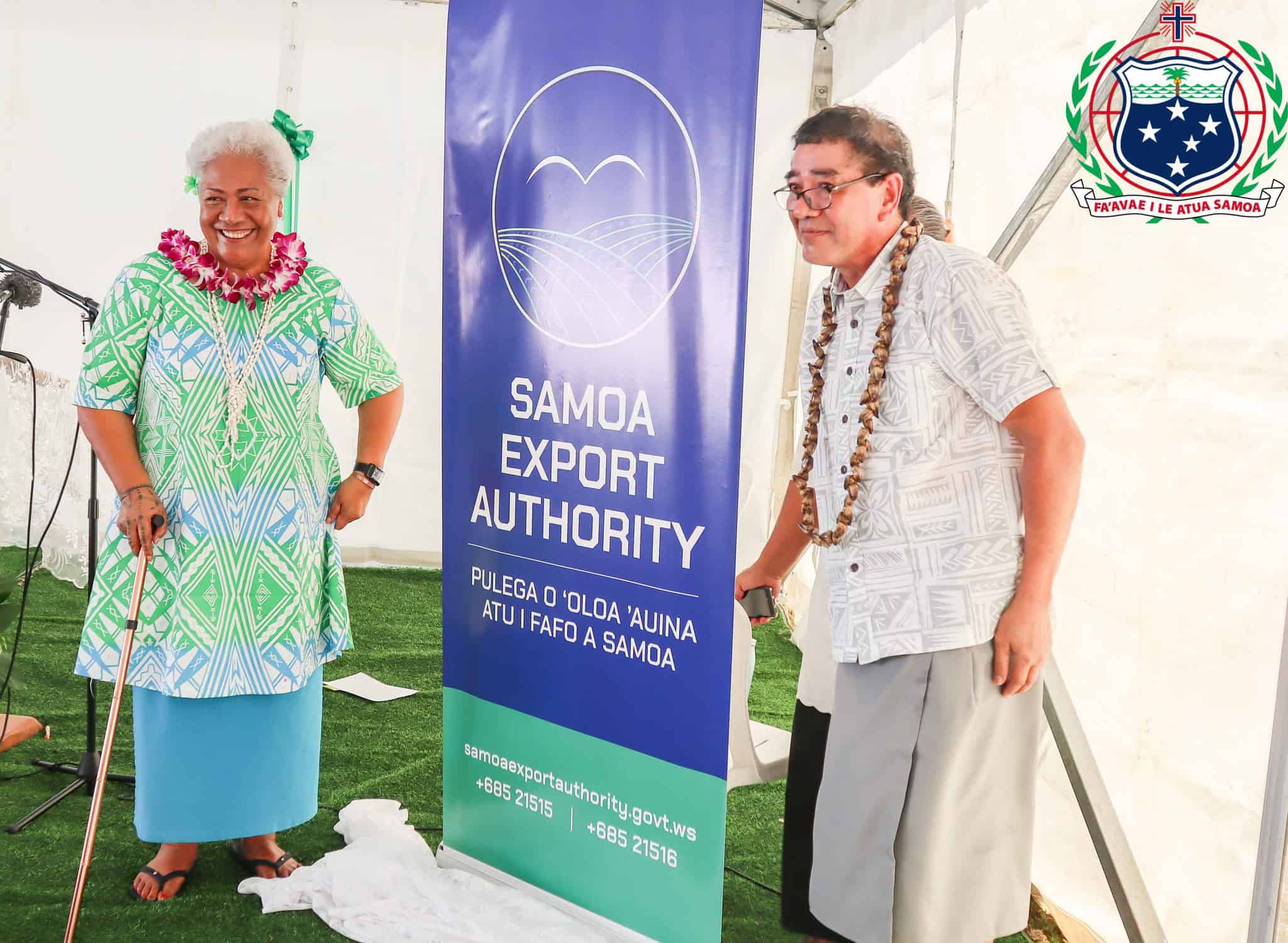
I am pleased to be here to witness the official Opening of the Office of the Samoa Export Authority and to celebrate the launch of its Corporate Plan for the first 5 years of its establishment, from the Financial Year 2025/2026 to 2029/2030.
The establishment of the Samoa Export Authority has been long in the making. An interim Board was established in February 2024 to guide the establishment phase, including consultations across the country and with communities and all stakeholders in developing the policies that underpin the establishment of the Authority and a legislation to legislate and govern its operations.
The Samoa Export Authority Bill 2024 was tabled and passed in Parliament during its sitting in August 2024, and the SEA Act 2024 came into force on 22nd August 2024 when it was signed by the Head of State. The SEA Act 2024, established the Samoa Export Authority as a Body Corporate under the Public Bodies (Performance and Accountability) Act 2001.
As well as opening the new Office, we are also this morning, launching the Corporate Plan for the Authority for the period of 2025/2026 Financial Year to the 2029/2030 Financial Year. The 5-year duration of the Corporate Plan was agreed upon by the SEA Interim Board, to align with a Cabinet decision for the Authority to be established as a Public Beneficial Body in its first 5 years, after which a review should be carried out to consider it becoming a Public Trading Body. Thus the Corporate Plan we are launching today, was developed with a view towards this review mandated by Cabinet to be carried out in August 2029, 5 years after the SEA Act 2024 came into force.
But why the need for an Export Authority? Right now, Samoa spends around $1 billion tala on imported goods. Only around 10% of that amount is earned from goods we export. It is a trade imbalance that is strangling our development and a situation we urgently need to address.
The SEA Act 2024 and the SEA Corporate Plan we are launching this morning, lays out the objectives and functions of the Authority, to address the trade imbalance mentioned-above, through effectively promoting exports or export products from Samoa.
The Objectives of the Authority are:
1. To address policy and legislative requirements to enable exports development and market access;
2. To boost exports through supporting production and productivity, development of export products, and access to export services along value-chains, in partnerships with producers, manufacturers and business operators; and,
3. To establish export markets, and strengthen capacity in standards for market access.
In performing its functions, the Authority will liaise and cooperate with other relevant organizations of the Government, such as MCIL, MFAT, MAF and SROS; private sector and civil society, to ensure that strategic planning and arrangements are in place to deal with exports from Samoa.
In addition, the Authority is to:
a) facilitate and coordinate export development;
b) facilitate and coordinate an enabling environment for the revival and growth of the export sector;
c) find new markets for Samoa’s export sector;
d) promote and facilitate compliance with market requirements; and,
e) facilitate and coordinate the availability of needed capacity building for exporters and other parties of the export value chain.
Before I conclude, I would like to acknowledge the great work by the SEA Interim Board, and the support of MPE as its Secretariat, during the establishment phase of the Authority. The leadership of the Interim Board allowed for a wide consultations process in the development of a SEA legislation, and your guidance facilitated the smooth passing of the SEA legislation through Parliament. It was an achievement to be applauded, when the SEA Act 2024 came into force on 22nd August 2024. Working closely with the new CEO, you also managed to develop a Corporate Plan to guide the work of the Authority in its first 5 years of existence. The SEA Interim Board, ladies and gentlemen comprised of:
Afioga Tagaloa Eddie Wilson, the Chairperson;
Afioga Fa’amausili Dr Matagialofi Lua’iufi;
Afioga Tuisa Tasi Patea;
And two ex-officios: Afioga Saoleititi Maeva Betham-Vaai, and Pouli Dr Keneti Faulalo.
I believe the achievements of the SEA Interim Board has set a solid foundation upon which the new SEA Board, established under the provisions of the SEA Act 2024, will guide the work of the Authority moving forward.
On that note, it is with pleasure that I welcome the members of the new SEA Board that has been approved by Cabinet:
Afioga Tuia’opo Andrew Aliki, Chairman;
Afioga Tuimaseve Kuinimeri Asora-Finau;
Afioga Peseta Peter Tone;
Afioga Tagaloa Eddide Wilson; and,
Afioga Vaai Kolone Vaai.
We wish you all the best in guiding the journey of the Authority. I am confident that with strong leadership and strategic guidance, and with the commitment and drive of the SEA staff, the Authority will be effective in meeting its objectives in leading, facilitating and coordinating export development and export of products from Samoa.
I am now pleased to announce the official opening of the new Samoa Export Authority, as well as the official launch of their Corporate Plan for the first 5 years of its establishment.
May God bless the Authority in its journey and May God Bless Samoa.
Soifua ma ia Manuia!
TATALA ALOAIA LE OFISA FOU O LE PULEGA O OLOA AUINA ATU I FAFO A SAMOA MA LANA FUAFUAGA AUTASI ALUALU MAMAO
SAUNOAGA AUTU a le Afioga i le Palemia, Hon. Fiame Naomi Mata’afa [Aso Tofi 3 Aperila 2025]
Susu lau Susuga i le Ta’ita’i o le Sauniga, lau Susuga Puletua Tapumanaia, Fa’afeagaiga o le Ekalesia EFKS, Penieli Fou, Falelauniu,
Afifio Minisita o le Kapeneta,
Sui o tatou Paaga tau Atina’e,
Afifio Ta’ita’ifono o Komiti Fa’atonu ma Sui o Komiti Fa’afoe o Fa’alapotopotoga a le Malo,
Afifio Sui o Komiti Faufautua o Fa’atoaga ma Faigafaiva,
Afifio Fa’auluuluga o Matagaluega ma Fa’alapotopotoga Tumaoti a le Malo,
Aufai Pisinisi Gaosi Oloa Auina atu i Fafo,
Sui o Paaga a le Pulega o Oloa Auina atu i Fafo a Samoa,
Le paia ma le mamalu o Samoa ua potopoto,
E talitonu o lea ua mapu i le tuasivi le faiva o manusina. Ua mae’a fo’i ona utu le uila o matagi auā le fa’amua ma le fa’asani i le Atua ma Lona agalelei. Ua utūialā le sasaga i le ūtugāvai a tausala, ma ua fa’atofolia i tatou i le malilie o sua o vai, auā manū fa’aifo mai le Tapa’au Silisili’ese i le Lagi.
Ou te manatu fo’i ua mae’a paelago pa’ia o Samoa ua potopoto e le Fofoga o le aso, o le a le toe o’o i ai se tala.
Ae e ia te a’u le mitamitaga tele i lenei taeao, ua tatou auai fa’atasi e molimauina le tatalaina aloa’ia o le Ofisa fou o le Pulega o Oloa Auina Atu i Fafo a Samoa. Ua le o po malaē i le tatou fa’atasiga, o le Pulega ua faitau tausaga ona fuafua ma fa’atalatalanoa, ma ua leva fo’i ona fai galuega mo lona tau fa’atūina, e aofia ai le faufauina o ana Faiga Fa’avae, ma sana Tulafono Autū.
Pei ona silafia, o le Tulafono o le Pulega o Oloa Auina Atu i Fafo a Samoa 2024, sa pasia lea e le Palemene i lana fonotaga i le masina o Aukuso 2024, ma sa sainia ai e lana Afioga i le Ao Mamalu o le Malō, i le Aso 22 Aukuso, 2024. O lea Tulafono, ua fa’atuina ai le Pulega, o se Fa’alapotopotoga ua Tu’ufa’atasia Fa’aletulafono (Body Corporate).
E le gata i le tatala aloa’iaina o le Ofisa fou, ae o le taeao nei, o le a fa’apea fo’i ona tatou amana’iaina ai le Fuafuaga Autasi Alualu Mamao a le Pulega (Corporate Plan) mo lona ulua’i 5 tausaga o lona fa’atūina, mai le tausaga fa’aletupe 2025/2026 se’ia o’o i le 2029/2030. O le avea o le 5 tausaga e fa’atulaga ai le Fuafuaga Autasi Alualu Mamao, ina ia o gatasi ma le fa’avae fa’ata’oto a le Malō, mo le Pulega e avea ma Public Beneficial Body i le 5 tausaga muamua mai lona fa’atuina, ona toe iloilo lea pe agava’a ona liliu e avea ma Public Trading Body.
E pei ona lau silafia, o le fa’avae autū sa a’e ai le tofā mo le fa’atuina o le Pulega, o le tau fo’ia lea o le fa’afitauli tugā, i le ova mamao o le tele o oloa fa’aulufale mai i Samoa, pe a fa’atusatusa i oloa auina atu i fafo. I le taimi nei, e tusa ma le $1 piliona Tala tupe fa’aalu a Samoa i oloa fa’aulufale mai, ae na o le 10% o lea aofa’iga, e maua mai lea i ana oloa auina atu i fafo. O se tulaga lē paleni tele lea i fefa’atauaiga o oloa, ua fa’ama’ia ai le atina’e o le tatou atunu’u, ma o se tulaga e tatau ona vave fo’ia.
O le Tulafono o le Pulega o Oloa Auina Atu i Fafo a Samoa 2024, fa’apea le Fuafuaga Autasi Alualu Mamao ua tatou patipatia i le taeao nei, o lo’o fa’ata’atitia, ma aiaia ai matafaioi tau’ave, fa’apea galuega poutū a le Pulega.
O sini ma galuega autū o le Pulega, e aofia ai le fesoasoani malosi i le fa’amaopo’opoina ma le fa’afaigofieina o le auina atu i fafo o a tatou oloa, e ala i faiga fa’apa’aga ma isi fa’alapotopotoga ‘ese’ese a le Malo ua tutusa malosi’aga, e pei o le Matagalujega o Pisinisi, Alamanuia ma Leipa (MCIL) ma le Matagaluega o le Va i Fafo ma Fefa’ataua’iga (MFAT), aemaise vaega tuma’oti e i ai le Au faifa’ato’aga ma au’aunaga e mafai ona auina atu i fafo. E aofia ai fo’i le fesoasoani malosi mo alamanuia mo le aufai fa’ato’aga lima vaivai ma alalafaga o lo o gāfātia i le galuea’ina o latou fanua ma ‘ele’ele fa’aleaganu’u, e ala lea i galuega fuafuaina a le Pulega.
O galuega tau’ave autu a le Pulega, e aofia ai le fa’ateleina o fua faifa’ato’aga e fuafua mo ‘oloa, pe o le gaosia o ‘oloa e ‘auina atu i fafo, e ala lea i le fesoasoani e sui faiga faifa’ato’aga, mai i le na o le gaosia mo taumafa fa’ale’āiga (subsistence), ae faifa’ato’aga e gaosia taumafa fa’apea le faifa’apisinisi (commercialization).
E le gata i lea, o galuega tau’ave autū a le Pulega, e aofia ai fo’i le fa’amaopo’opo ma fa’afeso’ota’iga o le ‘au faifa’ato’aga, le ‘au fa’atau’oloa, ma i latou uma o lo o faia au’aunaga mo le atina’eina o oloa auina atu i fafo, aemaise o le fa’amautinoaina o lo’o iai se si’osi’omaga talafeagai mo le auina atu i fafo o a tatou oloa. O le Pulega fo’i e na te una’ia malosi le fa’alauiloaina o a tatou oloa e auina pe fefa’ataua’i atu i fafo.
I lona aotelega, o le Pulega ua fa’atuina ina ia mafai ai ona fa’afaigofie ma fa’amaopo’opo le auina atu i fafo o ‘oloa ma au’aunaga mai Samoa. O le fa’amoemoe autū, ia mafai lea ona tele ‘oloa ma au’aunaga auina atu i fafo, ina ia manuia ai o tatou tagata, o le toatele o i latou o faifa’ato’aga mai nu’u i tua.
A o le’i fa’amutaina la’u tautalaga, ou te avatu le fa’amalō tele i le Komiti Fa’atonu Le Tumau a le Pulega, o i latou ia sa latou ta’imua i le tu’ufa’atasiga o le Tulafono mo le Pulega, ma sa ta’ita’iina fo’i galuega fai mo le fa’atuina o le Pulega, e aofia ai le fa’afouina o le Ofisa, ma sa galulue fa’atasi ma le Pule Sili, i le tu’ufa’atasia o le Fuafuaga Autasi Alualu Mamao ‘ua tatou patipatia i le taeao nei.
E fa’apea fo’i ‘ona momoli le fa’afetai tele i le Matagaluega o Fa’alapotopotoga a le Malō (MPE), sa ‘avea ma failautusi (Secretariat) a le Komiti Fa’atonu Le Tumau, i le 12 masina o le latou galuega. Fa’afetai i le Komiti Le Tumau, ‘ua ma’ea la outou galuega sa tofia ai ‘outou e le Kapeneta, fa’amalo le fai o le faiva:
I lau Afioga i le Ta’ita’ifono o le Komiti le Tumau, lau Afioga Tagaloa Eddie Wilson;
Lau Afioga Fa’amausili Dr Matagialofi Lua’iufi;
Lau Afioga Tuisa Tasi Patea;
Fa’apea sui ex-officios: Afioga Saoleititi Maeva Betham-Vaai, ma le Afioga ia Pouli Dr Keneti Faulalo.
Talitonu ‘ua ‘outou fausia se paepae maumaututū e fai ma fa’avae malosi e fa’atino ai galuega fai a le Pulega i le ta’ita’iga a le Komiti Fa’atonu fou ua fa’atuina i lalo o le Tulafono.
Ia atonu o se avanoa lelei lenei e fa’atalofa atu ai i tou Afioga i le ulua’i Komiti Fa’atonu a le Pulega, ua fa’atuina i lalo o le Tulafono.
Fa’atalofa atu:
Lau Afioga Tuia’opo Andrew Aliki, o le Ta’ita’ifono lea o le Komiti Fa’atonu;
Afioga Tuimaseve Kuinimeri Asora-Finau;
Afioga Peseta Peter Tone;
Afioga Tagaloa Eddide Wilson; ma le
Afioga Vaai Kolone Vaai
O outou māmā na. O la outou ta’ita’iga ma le galulue faʻatasi ma le Ofisa Sili ma le aufaigaluega a le Pulega, o le a mautinoa ai le ‘ausia o sini autu ma matafaioi fa’atino a le Pulega, e pei ona fa’atulagaina i le Fuafuaga Autasi Alualu Mamao mo le Tausaga Fa’aletupe 2025/2026 – 2029/2030. Ia, fa’amanuia tele le Atua i le Pulega ma le amatalia o lana folauga, ma ia fai sona ‘ai mo se manuia o tatou tagata lautele.
Ou te fiafia lava e fa’asilasila atu, ua tatala aloaia nei le Ofisa fou mo le Pulega o Oloa Auina atu i Fafo a Samoa (Samoa Export Authority), fa’apea le Fa’alauiloaina aloaia o le latou Fuafuaga Autasi Alualu Mamao (Corporate Plan) mo le ulua’i 5 tausaga o lona fa’atuina.
Soifua ma ia Manuia.
Ata Pueina – Malo o Samoa (Asuisui V. Matafeo)
TATALA ALOAIA LE OFISA FOU O LE PULEGA O OLOA AUINA ATU I FAFO A SAMOA MA LANA FUAFUAGA AUTASI ALUALU MAMAO
SAUNOAGA AUTU a le Afioga i le Palemia, Hon. Fiame Naomi Mata’afa [Aso Tofi 3 Aperila 2025]
Susu lau Susuga i le Ta’ita’i o le Sauniga, lau Susuga Puletua Tapumanaia, Fa’afeagaiga o le Ekalesia EFKS, Penieli Fou, Falelauniu,
Afifio Minisita o le Kapeneta,
Sui o tatou Paaga tau Atina’e,
Afifio Ta’ita’ifono o Komiti Fa’atonu ma Sui o Komiti Fa’afoe o Fa’alapotopotoga a le Malo,
Afifio Sui o Komiti Faufautua o Fa’atoaga ma Faigafaiva,
Afifio Fa’auluuluga o Matagaluega ma Fa’alapotopotoga Tumaoti a le Malo,
Aufai Pisinisi Gaosi Oloa Auina atu i Fafo,
Sui o Paaga a le Pulega o Oloa Auina atu i Fafo a Samoa,
Le paia ma le mamalu o Samoa ua potopoto,
E talitonu o lea ua mapu i le tuasivi le faiva o manusina. Ua mae’a fo’i ona utu le uila o matagi auā le fa’amua ma le fa’asani i le Atua ma Lona agalelei. Ua utūialā le sasaga i le ūtugāvai a tausala, ma ua fa’atofolia i tatou i le malilie o sua o vai, auā manū fa’aifo mai le Tapa’au Silisili’ese i le Lagi.
Ou te manatu fo’i ua mae’a paelago pa’ia o Samoa ua potopoto e le Fofoga o le aso, o le a le toe o’o i ai se tala.
Ae e ia te a’u le mitamitaga tele i lenei taeao, ua tatou auai fa’atasi e molimauina le tatalaina aloa’ia o le Ofisa fou o le Pulega o Oloa Auina Atu i Fafo a Samoa. Ua le o po malaē i le tatou fa’atasiga, o le Pulega ua faitau tausaga ona fuafua ma fa’atalatalanoa, ma ua leva fo’i ona fai galuega mo lona tau fa’atūina, e aofia ai le faufauina o ana Faiga Fa’avae, ma sana Tulafono Autū.
Pei ona silafia, o le Tulafono o le Pulega o Oloa Auina Atu i Fafo a Samoa 2024, sa pasia lea e le Palemene i lana fonotaga i le masina o Aukuso 2024, ma sa sainia ai e lana Afioga i le Ao Mamalu o le Malō, i le Aso 22 Aukuso, 2024. O lea Tulafono, ua fa’atuina ai le Pulega, o se Fa’alapotopotoga ua Tu’ufa’atasia Fa’aletulafono (Body Corporate).
E le gata i le tatala aloa’iaina o le Ofisa fou, ae o le taeao nei, o le a fa’apea fo’i ona tatou amana’iaina ai le Fuafuaga Autasi Alualu Mamao a le Pulega (Corporate Plan) mo lona ulua’i 5 tausaga o lona fa’atūina, mai le tausaga fa’aletupe 2025/2026 se’ia o’o i le 2029/2030. O le avea o le 5 tausaga e fa’atulaga ai le Fuafuaga Autasi Alualu Mamao, ina ia o gatasi ma le fa’avae fa’ata’oto a le Malō, mo le Pulega e avea ma Public Beneficial Body i le 5 tausaga muamua mai lona fa’atuina, ona toe iloilo lea pe agava’a ona liliu e avea ma Public Trading Body.
E pei ona lau silafia, o le fa’avae autū sa a’e ai le tofā mo le fa’atuina o le Pulega, o le tau fo’ia lea o le fa’afitauli tugā, i le ova mamao o le tele o oloa fa’aulufale mai i Samoa, pe a fa’atusatusa i oloa auina atu i fafo. I le taimi nei, e tusa ma le $1 piliona Tala tupe fa’aalu a Samoa i oloa fa’aulufale mai, ae na o le 10% o lea aofa’iga, e maua mai lea i ana oloa auina atu i fafo. O se tulaga lē paleni tele lea i fefa’atauaiga o oloa, ua fa’ama’ia ai le atina’e o le tatou atunu’u, ma o se tulaga e tatau ona vave fo’ia.
O le Tulafono o le Pulega o Oloa Auina Atu i Fafo a Samoa 2024, fa’apea le Fuafuaga Autasi Alualu Mamao ua tatou patipatia i le taeao nei, o lo’o fa’ata’atitia, ma aiaia ai matafaioi tau’ave, fa’apea galuega poutū a le Pulega.
O sini ma galuega autū o le Pulega, e aofia ai le fesoasoani malosi i le fa’amaopo’opoina ma le fa’afaigofieina o le auina atu i fafo o a tatou oloa, e ala i faiga fa’apa’aga ma isi fa’alapotopotoga ‘ese’ese a le Malo ua tutusa malosi’aga, e pei o le Matagalujega o Pisinisi, Alamanuia ma Leipa (MCIL) ma le Matagaluega o le Va i Fafo ma Fefa’ataua’iga (MFAT), aemaise vaega tuma’oti e i ai le Au faifa’ato’aga ma au’aunaga e mafai ona auina atu i fafo. E aofia ai fo’i le fesoasoani malosi mo alamanuia mo le aufai fa’ato’aga lima vaivai ma alalafaga o lo o gāfātia i le galuea’ina o latou fanua ma ‘ele’ele fa’aleaganu’u, e ala lea i galuega fuafuaina a le Pulega.
O galuega tau’ave autu a le Pulega, e aofia ai le fa’ateleina o fua faifa’ato’aga e fuafua mo ‘oloa, pe o le gaosia o ‘oloa e ‘auina atu i fafo, e ala lea i le fesoasoani e sui faiga faifa’ato’aga, mai i le na o le gaosia mo taumafa fa’ale’āiga (subsistence), ae faifa’ato’aga e gaosia taumafa fa’apea le faifa’apisinisi (commercialization).
E le gata i lea, o galuega tau’ave autū a le Pulega, e aofia ai fo’i le fa’amaopo’opo ma fa’afeso’ota’iga o le ‘au faifa’ato’aga, le ‘au fa’atau’oloa, ma i latou uma o lo o faia au’aunaga mo le atina’eina o oloa auina atu i fafo, aemaise o le fa’amautinoaina o lo’o iai se si’osi’omaga talafeagai mo le auina atu i fafo o a tatou oloa. O le Pulega fo’i e na te una’ia malosi le fa’alauiloaina o a tatou oloa e auina pe fefa’ataua’i atu i fafo.
I lona aotelega, o le Pulega ua fa’atuina ina ia mafai ai ona fa’afaigofie ma fa’amaopo’opo le auina atu i fafo o ‘oloa ma au’aunaga mai Samoa. O le fa’amoemoe autū, ia mafai lea ona tele ‘oloa ma au’aunaga auina atu i fafo, ina ia manuia ai o tatou tagata, o le toatele o i latou o faifa’ato’aga mai nu’u i tua.
A o le’i fa’amutaina la’u tautalaga, ou te avatu le fa’amalō tele i le Komiti Fa’atonu Le Tumau a le Pulega, o i latou ia sa latou ta’imua i le tu’ufa’atasiga o le Tulafono mo le Pulega, ma sa ta’ita’iina fo’i galuega fai mo le fa’atuina o le Pulega, e aofia ai le fa’afouina o le Ofisa, ma sa galulue fa’atasi ma le Pule Sili, i le tu’ufa’atasia o le Fuafuaga Autasi Alualu Mamao ‘ua tatou patipatia i le taeao nei.
E fa’apea fo’i ‘ona momoli le fa’afetai tele i le Matagaluega o Fa’alapotopotoga a le Malō (MPE), sa ‘avea ma failautusi (Secretariat) a le Komiti Fa’atonu Le Tumau, i le 12 masina o le latou galuega. Fa’afetai i le Komiti Le Tumau, ‘ua ma’ea la outou galuega sa tofia ai ‘outou e le Kapeneta, fa’amalo le fai o le faiva:
I lau Afioga i le Ta’ita’ifono o le Komiti le Tumau, lau Afioga Tagaloa Eddie Wilson;
Lau Afioga Fa’amausili Dr Matagialofi Lua’iufi;
Lau Afioga Tuisa Tasi Patea;
Fa’apea sui ex-officios: Afioga Saoleititi Maeva Betham-Vaai, ma le Afioga ia Pouli Dr Keneti Faulalo.
Talitonu ‘ua ‘outou fausia se paepae maumaututū e fai ma fa’avae malosi e fa’atino ai galuega fai a le Pulega i le ta’ita’iga a le Komiti Fa’atonu fou ua fa’atuina i lalo o le Tulafono.
Ia atonu o se avanoa lelei lenei e fa’atalofa atu ai i tou Afioga i le ulua’i Komiti Fa’atonu a le Pulega, ua fa’atuina i lalo o le Tulafono.
Fa’atalofa atu:
Lau Afioga Tuia’opo Andrew Aliki, o le Ta’ita’ifono lea o le Komiti Fa’atonu;
Afioga Tuimaseve Kuinimeri Asora-Finau;
Afioga Peseta Peter Tone;
Afioga Tagaloa Eddide Wilson; ma le
Afioga Vaai Kolone Vaai
O outou māmā na. O la outou ta’ita’iga ma le galulue faʻatasi ma le Ofisa Sili ma le aufaigaluega a le Pulega, o le a mautinoa ai le ‘ausia o sini autu ma matafaioi fa’atino a le Pulega, e pei ona fa’atulagaina i le Fuafuaga Autasi Alualu Mamao mo le Tausaga Fa’aletupe 2025/2026 – 2029/2030. Ia, fa’amanuia tele le Atua i le Pulega ma le amatalia o lana folauga, ma ia fai sona ‘ai mo se manuia o tatou tagata lautele.
Ou te fiafia lava e fa’asilasila atu, ua tatala aloaia nei le Ofisa fou mo le Pulega o Oloa Auina atu i Fafo a Samoa (Samoa Export Authority), fa’apea le Fa’alauiloaina aloaia o le latou Fuafuaga Autasi Alualu Mamao (Corporate Plan) mo le ulua’i 5 tausaga o lona fa’atuina.
[GOVT PRESS SECRETARIAT – Thursday, 03rd April 2025] – Cabinet has approved the reappointment of Agafili Tomaimanō Shem Leo to the position of Chief Executive Officer for the Ministry of the Prime Minister and Cabinet (MPMC), and Secretary to Cabinet.
Agafili was initially appointed to this position in late 2015 and officially commenced his duties in 2016. He began his career as a teacher at Samoa College in 2001 and was promoted to the role of Principal Policy Analyst for the MPMC in 2007. He has remained with the Ministry for 18 years including nine years as CEO.
Agafili holds a Master of Arts in Governance, a Postgraduate Diploma in Development Studies and a Bachelor of Education in Geography. He is a former student of Samoa College and an alumni of the University of the South Pacific in Suva.
He is an Assistant Pastor and a Bible teacher for the Laloanea Bible Fellowship. He is married with two children. He is from the villages of Tufulele, Amaile, Samusu, and Sala’ilua.
END.
TOFIAINA O AGAFILI TOMAIMANŌ SHEM LEO I LE TOFIGA OFISA SILI O PULEGA O LE MATĀGALUEGA A LE PALEMIA MA LE KAPENETA
[SO’O’UPU A LE MALO – Aso Tofi, 03 Aperila 2025] – Ua fa’amaonia e le Kapeneta le toe tofia o le tōfā iā Agafili Tomaimanō Shem Leo i le tofiga o le Ofisa Sili o Pulega o le Matāgaluega a le Palemia ma le Kapeneta, faapea le tofiga Failautusi o le Kapeneta mo le isi tolu tausaga.
Na muai tofia Agafili Tomaimanō i lenei tofiga i le faaiuga o le 2015 ma amata aloaia ai i le 2016. Na amata lana tautua i le Malo i le 2001 o se faiaoga faauuina i le Kolisi o Samoa, ona tofia lea e galue i le Matagaluega o le Palemia ma le Kapeneta i le 2007 e oo mai i le asō.
O loo umiaina e Agafili Faailoga Tau Aoaoga o le Matuaofaiva o Fa’atufugaga i Tulaga Tau Pulega [Master of Arts in Governance], Tipiloma Mauāluga i Suesuega Tau Atina’e [Postgraduate Diploma in Development Studies], ma le Tikeri o Tulaga tau Aoaoga (Bachelor of Education in Geography). Sa aoaoina o ia i le Kolisi o Samoa, ma agai atu ai i le Iunivesete o le Pasefika i Saute i Fiti.
O ia o se tasi o Taitai mo le Mafutaga Faale Tusi Paia i Laloanea.
E toalua o la alo, ma o se tama fanau a afioaga o Tufulele, Amaile, Samusu, ma Sala’ilua.
Source: Hong Kong Government special administrative region
Hongkong Post suspends the postal service for items containing goods to the United States Regarding the surface mail, due to the longer shipping time, Hongkong Post will suspend the acceptance of surface postal items containing goods destined to the US with immediate effect (April 16). Where senders have posted surface postal items containing goods that have not yet been shipped to the US, Hongkong Post will contact the senders to arrange for return of items and postage refund starting from April 22.
Regarding the air mail, Hongkong Post will suspend the acceptance of air postal items containing goods destined to the US starting from April 27.
For sending items to the US, the public in Hong Kong should be prepared to pay exorbitant and unreasonable fees due to the US’s unreasonable and bullying acts. Other postal items containing documents only without goods will not be affected.
For enquiries, members of the public may call the Hongkong Post enquiry hotline at 2921 2222. Issued at HKT 8:00
Source: Hong Kong Government special administrative region
Following is a question by Dr the Hon Tik Chi-yuen and a written reply by the Secretary for Labour and Welfare, Mr Chris Sun, in the Legislative Council today (April 16):
Question:
It has been reported that in recent years, a prolonged lack of external support has caused heavy physical and mental pressure to quite a number of carers and even led to unfortunate incidents. Hence, some community groups have advocated the establishment of a “register of carers”, with a view to accurately and promptly identifying high-risk cases and providing relevant support to prevent the recurrence of tragedies. In addition, the Government has proposed in the 2024 Policy Address the setting up of an inter-disciplinary and inter-organisation database for carers for early identification of high-risk cases and provision of support, and the Secretary for Labour and Welfare indicated in a media interview in February this year that the authorities were pressing ahead with the preparatory work for the database. In this connection, will the Government inform this Council:
(1) how the Government defines “carers”, and what specific criteria and parameters the Government will adopt in identifying carers;
(2) of the specific benchmarks adopted by the Government for classifying “high-risk”, “medium-risk” and “low-risk” carers, including whether factors such as the carers’ physical and mental health, financial situation, social support network and care burden will be taken into account in classifying them;
(3) of the Government’s specific implementation timetable (including phased implementation arrangement) for setting up the database for carers;
(4) of the major difficulties currently faced by the Government in taking forward the setting up of the database for carers (including but not limited to challenges in areas such as cross-departmental collaboration, information collection, privacy protection and resource allocation); and
(5) apart from identifying high-risk carers, whether the Government will concurrently expand the relevant support services (including but not limited to increasing the provision of day care services and respite services for the elderly and persons with disabilities, as well as psychological support services for carers) and regularise the carer allowance schemes with the exemption from the restrictions on double benefits?
Reply:
President,
In response to the Dr the Hon Tik Chi-yuen’s question, our reply is as follows:
(1) The Government is committed to providing diversified services to support carers. To meet the needs of individuals, government bureaux and departments may define carers for individual measures in ways aligned with their specific goals and target groups to ensure appropriate support is provided to carers under their respective programmes and policy objectives.
As far as welfare policy is concerned, the Government has been progressively implementing a number of measures since 2023 to enhance support for carers of elderly persons and carers of persons with disabilities. The Labour and Welfare Bureau and the Social Welfare Department are committed to providing various services to support carers of elderly persons and carers of persons with disabilities, including financial assistance, care skills training, counselling and emotional support, and in parallel, providing the elderly and persons with disabilities with personal care, home cleaning, rehabilitation training, respite services, etc, to enhance the carers’ caring capacity and relieve their pressure.
(2) to (4) The Chief Executive announced in the 2024 Policy Address that the Government is exploring the setting up of an inter-disciplinary and inter-organisation database on carers of elderly persons and carers of persons with disabilities, with a view to identifying high-risk cases for early intervention and support. Preliminary, the database will cover older carers and low-income carers. As the purposes of data collection by different organisations may not have included the provision of social welfare support services to the persons concerned, the Government is in discussion with the Office of the Privacy Commissioner for Personal Data on the design of data-sharing schemes to ensure they qualify for the relevant exemptions under the Personal Data (Privacy) Ordinance (PDPO). Meanwhile, we are preparing data from various databases with the aim of carrying out pilot projects in full compliance with the PDPO.
(5) Since 2023, the Government has been progressively implementing various measures to enhance support for carers. Key support measures include:
(i) Designated Hotline for Carer Support (Carer Hotline): Launched in September 2023, the 24-hour Carer Hotline (182 183) offers immediate consultation and counselling, outreach, emergency support and referral services. It also matches respite services for care recipients in need and provides transportation allowances for carers, assisting them in escorting elderly persons or persons with disabilities to receive respite services;
(ii) Information Gateway for Carers: Launched in November 2023, the one-stop Information Gateway for Carers provides information on services for elderly persons, persons with disabilities and their carers; caring skills; and community activities and resources for carers;
(iii) Extension of the District Services and Community Care Teams – Scheme on Supporting Elderly and Carers (the Scheme): In April 2025, the Scheme extended from piloting in Tsuen Wan and Southern District to all 18 districts across the territory. Care Teams will help identify households of singleton and doubleton elderly, and carers of elderly persons and persons with disabilities, with a view to providing them with care and support services including information on social welfare services and community resources, referring eligible elderly persons and persons with disabilities to install and use the indoor emergency alarm system (known as “Safety Bell”); and referring cases in need to social welfare service units for follow-up;
(iv) Expansion of the respite service network: Starting from October and December 2023 respectively, around 20 Homes under the Bought Place Scheme (BPS) for Private Residential Care Homes for Persons with Disabilities and around 140 private residential care homes for the elderly participated in the Enhanced BPS, offering day respite services to persons with disabilities and elderly persons in need respectively when vacancies in residential respite placements arise. From December 2024, about 120 service units participating in the Community Care Service Voucher Scheme for the Elderly have expanded their day care services from center-based services that only serve voucher holders to providing day respite services for any elderly persons in need, allowing carers to select respite service points in the vicinity according to their needs;
(v) Utilising technology to relieve carer burden and stress: The Government has injected an additional $1 billion to the Innovation and Technology Fund for Application in Elderly and Rehabilitation Care (I&T Fund) in 2024-25, and expanded the scope of the I&T Fund to cover technology products suitable for household use. Eligible elderly and rehabilitation services units can apply to purchase suitable technology products for lending to elderly persons, persons with disabilities and their carers for use at home, so as to improve the quality of life of service users and relieve the burden and pressure of carers; and
(vi) Scheme on Living Allowance for Carers of Elderly Persons from Low-income Families and Scheme on Living Allowance for Low-income Carers of Persons with Disabilities (the Carer Allowance Schemes): The Carer Allowance Schemes have been incorporated into the Government’s regular assistance programmes since October 2023, providing a cash living allowance to the carers of low-income families who do not receive Comprehensive Social Security Assistance or Old Age Living Allowance, to help supplement their living expenses.
Source: Hong Kong Government special administrative region
Alexander (Chief Executive Officer Asia-Pacific, Europe, Middle East and Africa, and Germany of Deutsche Bank, Mr Alexander von zur Mühlen), Marco (Head of Emerging Markets of Deutsche Bank Private Bank, Mr Marco), Salman (Vice Chairman of Deutsche Bank Private Bank, Mr Salman Mahdi), distinguished guests, ladies and gentlemen,
Good morning.
It is a great pleasure to join you all at this year’s Deutsche Bank Emerging Markets Family Office Forum. My sincere thanks to Deutsche Bank for bringing to Hong Kong such a distinguished group of family principals, next-generation leaders and senior decision-makers from across the globe.
Stability, for family offices
While the focus today is on family offices, it would be remiss of me not to address a broader issue: that is, the so-called “reciprocal tariffs” imposed by the US (United States) on its trading partners. And why it further illustrates that Hong Kong is the right destination for family offices.
Much has been said about the flip-flopping of the Trump Administration and the prospects of the tariff war. For family offices, this uncertainty and unpredictability have added new complexities to their asset allocation strategies.
Currently, across the world, sovereign governments and investors are seeking to de-risk their allocations and expand their portfolios to markets that provide policy clarity, consistency and credibility. The same holds true for family offices looking to preserve and grow their wealth in a secure and predictable environment.
In this context, Hong Kong stands out as a robust destination of choice. Allow me to share a few observations.
First, our stock market. With a capitalisation of nearly US$5 trillion, it is deep and liquid, and has demonstrated remarkable resilience. Following the tariff announcements, the Hang Seng Index saw a sharp fall on Monday last week. But the market has since been regaining ground. Trading volumes have been high, indicating the strong underlying liquidity. Over the past week, the average daily turnover of our stock market was about HK$360 billion, about 2.8 times of that in 2024. That speaks volumes about investors’ interest and confidence in our market.
In fact, over the past few years, the Government, along with our financial regulators, have put in place a round-the-clock, cross-market surveillance system to detect and address potential threats associated with market volatility. We focus on whether the markets are functioning in an orderly manner, and whether there are irregularities or systemic risks that will threaten Hong Kong’s financial stability. So far, there has been no cause for concern.
Second, the Hong Kong dollar remains firm, trading on the strong side of its convertibility range, which indicates that there is no capital flight. Indeed, our bank deposits have been on a rising trend over the past year. In February, we had over US$2.2 trillion in bank deposits, rising by some 10 per cent compared to a year ago. Our Linked Exchange Rate System continues to function smoothly, underscoring the strength and stability of our monetary system.
Beyond financial security and stability, Hong Kong offers compelling reasons for family offices to anchor their operations and allocate their assets here.
First, it is the “one country, two systems” principle which provides the foundation for long-term prosperity and reinforces the IFC (international financial centre) status of Hong Kong. President Xi Jinping has reaffirmed on multiple occasions that the “one country, two systems” arrangement will remain in place in Hong Kong in the long run. Hong Kong’s unique position as a gateway between the Mainland and the world is highly cherished by the Central Authorities.
In essence, Hong Kong will continue to uphold the defining features that set us apart from the rest of China: a free port; free trade policy; free flow of capital, goods, people and information; and a freely convertible currency. We remain open, diverse, cosmopolitan and committed to welcoming capital, business and talent from around the world. This is deep in our DNA.
A crucial element of the “one country, two systems” principle is the common law system underpinned by an independent judiciary. Despite misconceptions about our city, the facts are convincing: in the World Justice Project’s Rule of Law Index, Hong Kong ranks ahead of the US and many European countries.
According to a recent survey by the American Chamber of Commerce in Hong Kong released in January this year, 83 per cent of its members expressed confidence in our rule of law. The figure has registered a consistent rise over the past two years.
Our simple, low-tax regime is another strong advantage. We impose no capital gains tax, no estate tax and no tax on dividends, offering a highly enviable environment for wealth preservation and growth.
Our international competitiveness is evident by various global rankings. We are the world’s freest economy, Asia’s top financial centre, and the fifth-most competitive economy globally.
Here in Hong Kong, your capital is safe. Protection of capital and private property is enshrined in our Basic Law. We honour our international obligations and have never implemented any sanctions unilaterally imposed by other jurisdictions.
Opportunities for investments and businesses
Ladies and gentlemen, beyond the above institutional fundamentals, Hong Kong is a city of immense opportunities. Let me highlight three points.
First, beyond the stock market that I mentioned earlier, we offer a full range of options for you to deploy your capital. Our venture capital and private equity sector manages over US$230 billion, which is second only to the Mainland. We are Asia’s No. 1 hedge fund base. Our asset and wealth management sector oversees close to US$4 trillion of assets, with over half of them sourced internationally.
Second, innovation and technology is powering Hong Kong’s next chapter. We are investing heavily to develop AI and other frontier technologies as new pillars of our economy. Our strategy encompasses building infrastructure, providing funding support, attracting strategic enterprises and talent, and engaging in international exchanges. Now, “AI+” is the name of the game, and we are working for its deep integration with various sectors and industries.
To nurture industries of tomorrow, the Hong Kong Investment Corporation Limited, or HKIC, was established with US$8 billion in capital. It is patient capital, focusing on deep tech, biotech and new materials, and new energy. It is guiding, channelling and leveraging market capital to support tech industries and segments at their nascent stages to help build the ecosystem. So far, the HKIC has supported over 100 projects, drawing in four dollars of private capital for every dollar it invested. We welcome family offices to form partnerships and co-invest with HKIC.
Third, Hong Kong’s synergistic development with the Guangdong-Hong Kong-Macao Greater Bay Area, or the GBA, which is home to 87 million people with a per capita GDP of US$40,000 on a purchasing power parity basis. It is a young and massive consumer market. The increasingly affluent population has a growing demand for quality financial products and services, and a need for diversified asset allocation.
The GBA is also a technology and innovation hub. Home to many tech giants and start-ups, the GBA has a highly educated workforce, and exceptional commercialisation and advanced manufacturing capabilities. In fact, Hong Kong, together with Shenzhen and Guangzhou in the GBA, is ranked the second most innovative cluster in the world for five consecutive years.
Overall speaking, the GBA is rising as a region combining the advantages of the New York Bay Area and San Francisco Bay Area.
Impact, philanthropy and living
Beyond investments, Hong Kong is also blessed with a vibrant, collaborative philanthropic community. Our financial institutions, businesses, think tanks, local and global foundations and NGOs (non-governmental organisations) have come together to form partnerships that deliver projects that are scalable, and socially and environmentally impactful.
And when it comes to lifestyle, Hong Kong is unmatched in Asia.
Over the past few weeks, the Hong Kong Rugby Sevens and Coldplay lit up our brand new Kai Tak Stadium. Indeed, from world-class performances and Michelin-starred dining to vibrant art, heritage and hiking trails, Hong Kong offers a lifestyle that global families would dream for.
This city also offers the best education for children. More than 50 international schools operate in this city, providing a wide range of curricula to meet the diverse needs of global families. Five of our universities are ranked within the global top 100.
And Hong Kong is among the safest metropolitan cities in the world.
Ladies and gentlemen, it is no surprise that Hong Kong is now home to over 2 700 family offices – half of which manage assets exceeding US$50 million. We expect that number to grow to 3 000 very soon.
To support this growth, we have introduced dedicated tax concessions for single family offices. We are currently working to expand the scope of exemptions and enlarge the eligibility for concessions. There is a bespoke service team under Invest Hong Kong to help family offices with their setup, compliance, talent sourcing, philanthropic engagement, and more. You are most welcome to approach them.
My thanks once again to Deutsche Bank for convening this meaningful Forum. I wish you all a productive forum and an enjoyable stay in Hong Kong – a city which I hope you will call home soon. Thank you very much.
Source: Hong Kong Government special administrative region
Following is a question by the Hon Lau Kwok-fan and a written reply by the Secretary for Labour and Welfare, Mr Chris Sun, in the Legislative Council today (April 16):
Question:
The Labour Department has implemented the Enhanced Supplementary Labour Scheme (ESLS) since September 2023, suspending the general exclusion of the 26 job categories as well as unskilled or low-skilled posts (job categories) from labour importation for two years. The ESLS will expire in September this year. In this connection, will the Government inform this Council:
(1) of the situation of labour importation for the aforesaid job categories since the implementation of ESLS, including (i) the number of imported workers who have arrived in Hong Kong to work and (ii) the median wage of imported workers, as well as the respective (iii) local employment rates and (iv) median wages of local workers for such job categories; President,
To cope with the challenges brought about by manpower shortage and on the premise of ensuring employment priority for local workers, the Government has enhanced the mechanism for importation of labour. Apart from launching sector???specific labour importation schemes for the construction sector, transport sector, and residential care homes for the elderly and residential care homes for persons with disabilities, the Labour Department (LD) has implemented the Enhanced Supplementary Labour Scheme (ESLS) since September 4, 2023, to suspend the general exclusion of the 26 job categories as well as unskilled or low-skilled posts from labour importation under the previous Supplementary Labour Scheme for two years.
In consultation with the Census and Statistics Department (C&SD), our reply to the Hon Lau Kwok-fan’s questions is as follows: Employers approved to import workers under the ESLS are required to arrange for their prospective imported workers to submit visa/entry permit applications to the Immigration Department within the periods specified in the approval-in-principle letters (generally within six months from the issue dates of the letters). The time of imported workers arriving in Hong Kong depends on the progress of employers’ handling of relevant procedures. The LD does not maintain the number of imported workers who have arrived to work in Hong Kong under the ESLS.
As required by the ESLS, applicant employers must undertake local open recruitment and give priority to employing qualified local workers to fill the vacancies at a salary not lower than the median monthly wage of a comparable position in the market. The median monthly wage by major job categories is at Annex 2. The latest median monthly wage of other common posts is available in the List of Common Posts on LD’s ESLS dedicated webpage (www.labour.gov.hk/eng/plan/iwESLS.htm The C&SD does not compile statistics on local employment rate by job categories under the ESLS.